The Concept of Luck in Gambling
Luck is often viewed as a pivotal factor in determining success in gambling. Many players believe that luck plays a significant role in their outcomes, as games of chance, like slots and roulette, are inherently unpredictable. This belief in luck can create psychological comfort, fostering a hopeful atmosphere even in the face of potential loss. Additionally, some players explore sports betting sites that further emphasize the randomness of outcomes, reinforcing the idea that luck can greatly influence their gambling success.
However, luck is not merely an abstract concept; it is often linked to randomness and probability. In gambling, every game operates on statistical odds that dictate the likelihood of winning or losing. For instance, a slot machine may appear to be lucky if a player wins multiple times in a row, yet the odds remain the same for each spin. This creates a cognitive bias, as players may attribute their success to ‘luck’ rather than understanding the underlying probabilities at play.
Ultimately, the interplay between luck and skill in gambling leads to various perspectives on its influence. Some players emphasize the importance of strategy and skill, particularly in games where decision-making significantly impacts outcomes, like poker or blackjack. Yet, they often acknowledge that luck can still intervene, sometimes swinging the tide in their favor or against them. This duality makes gambling an intriguing topic, as it invites discussion on the balance between chance and skill.
The Psychological Impact of Believing in Luck
The belief in luck can greatly impact a gambler’s mindset and behavior. When players feel lucky, they may exhibit more confidence, leading them to take bolder risks. This heightened sense of confidence can translate into larger bets and extended playtime, factors that may ultimately increase their chances of winning. Additionally, this psychological state can enhance the enjoyment of the gambling experience, making it less about the money and more about the thrill of uncertainty.
Conversely, a lack of belief in luck can lead to a more cautious approach. Players who think of themselves as unlucky may avoid high-stakes games or limit their gambling altogether. This mindset can hinder their overall enjoyment and potentially reduce their opportunities for substantial wins. It illustrates how our perceptions of luck can directly influence our decisions and strategies, ultimately impacting our gambling success.
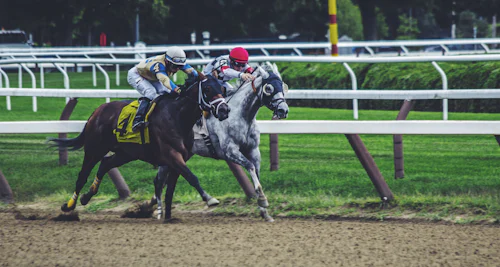
Moreover, the phenomenon of ‘hot’ and ‘cold’ streaks is a prime example of how belief in luck shapes behavior. Gamblers often perceive certain machines as lucky or unlucky based on past experiences. This perception can lead to a cycle where players continue to play on a specific machine, hoping for another fortunate outcome, thereby intertwining their self-fulfilling beliefs with actual gameplay results. The psychological implications of luck in gambling reinforce its significance as a factor in perceived success.
The Role of Skill and Strategy in Gambling
While luck is undeniably a part of gambling, skill and strategy cannot be overlooked. In games where players can influence the outcome through decision-making, such as poker or blackjack, the role of strategy becomes paramount. Understanding the nuances of probability, game theory, and opponent behavior can significantly improve a player’s chances of winning. In these instances, luck plays a complementary role to skill rather than the primary determinant of success.
For example, a skilled poker player can consistently read opponents and make calculated decisions based on betting patterns. This level of strategic play reduces the impact of luck, as the player increases their chances of winning through knowledge and experience. Therefore, while luck may affect the outcome of individual hands, a player’s overall success in poker is often rooted in their ability to navigate the complexities of the game.
Additionally, even in purely luck-based games, such as lottery draws or slot machines, players can still employ strategies that maximize their enjoyment and potential returns. Setting budgets, choosing games with favorable odds, and understanding pay tables can all enhance the gambling experience. This reinforces the idea that while luck can influence outcomes, a strategic approach ensures players remain in control, enhancing their chances to win in the long run.
Understanding Probability in Gambling
At the foundation of gambling lies the concept of probability, which governs how outcomes are determined. Every game has defined odds that dictate the likelihood of winning or losing based on its rules. For instance, in roulette, the odds of landing on a specific number are 1 in 37 for a single zero wheel. Understanding these probabilities can help players make informed decisions about which games to play and how to bet effectively.

Even in games heavily influenced by luck, awareness of probability can guide gamblers in choosing the best strategies to enhance their experience. By understanding how different bets affect their chances, players can align their strategies with their personal risk tolerance and potential reward. This knowledge helps demystify the impact of luck, transforming it from a daunting unknown into a manageable element of the gaming experience.
Moreover, probability analysis can significantly alter a player’s approach to gambling. Players who grasp the math behind their games are less likely to be swayed by superstition or anecdotal evidence, grounding their decisions in statistical reality. This pragmatic outlook on gambling not only improves their chances of success but also fosters a more enjoyable and responsible gambling experience.
Exploring Resources for Gamblers
For those interested in deepening their understanding of luck, strategy, and probability in gambling, various resources are available. Online platforms, blogs, and educational websites provide a wealth of information regarding gambling strategies, game mechanics, and the psychological aspects of gaming. These resources can empower players to make informed decisions, fostering a more enjoyable and potentially successful gambling experience.
Additionally, many websites now offer interactive tools and simulations, allowing players to practice their skills without financial risk. These platforms can help users understand complex strategies, familiarize themselves with different games, and build confidence before they gamble with real money. Engaging with these resources can demystify the gambling process, enabling players to navigate the often overwhelming odds with ease.
In conclusion, while luck undeniably plays a role in gambling, leveraging knowledge and strategy is equally important. By accessing various educational materials and resources, players can enhance their understanding of the games they enjoy and how to approach them wisely. When equipped with both luck and strategy, gamblers can truly maximize their potential for success.


